Importance of Networking for Students: 12 Powerful Reasons It Shapes Success
Learn the Importance of networking for students and discover how building strong connections boosts academic success, career growth, confidence, and lifelong opportunities.
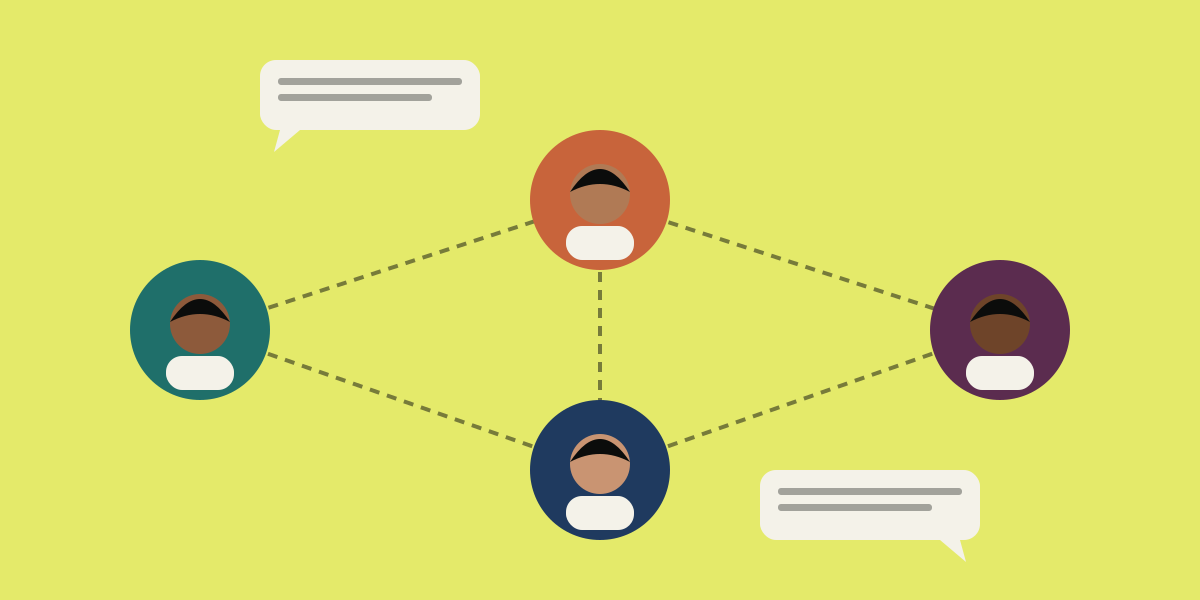
Whether you're a student in school, college, or entering the professional world, networking has become one of the most essential skills of the 21st century. Today’s world moves fast, industries evolve quickly, and opportunities often appear through the people you know. That’s why understanding the Importance of networking for students is crucial for anyone who wants to grow, build confidence, and move forward with purpose.
Breitordo, a community where individuals, students, and business leaders unite, believes networking is the foundation of real progress - because when people connect, ideas move forward.
Understanding the Importance of Networking for Students
Networking is not just meeting people - it’s learning from them, sharing ideas, building trust, and creating meaningful relationships that help you grow both academically and personally.
Why Networking Matters in Today’s Competitive World
Students today face more competition than ever before. Good grades are important - but they’re not enough. Opportunities often come through:
- A mentor you met during an event
- A professional who shared guidance
- A student group where ideas were exchanged
- A workshop where you found clarity
Networking increases visibility, opens doors, and helps students discover paths they didn’t even know existed.
How Networking Builds Confidence and Direction
Talking to people from different backgrounds helps students:
- Understand new perspectives
- Overcome hesitation and fear
- Gain clarity about career choices
- Build public-speaking skills
Every conversation becomes a small step toward confidence.
Academic Benefits of Student Networking
Networking isn’t only about jobs - it directly supports academic success.

Access to Better Learning Resources
Through networking, students gain access to:
- Study groups
- Reference materials
- Guidance from senior students
- Experience-based insights
Learning becomes more efficient when knowledge is shared.
Strengthening Collaborative and Team Skills
Group work is essential in schools, universities, and workplaces. Networking teaches students how to:
- Work in teams
- Solve problems creatively
- Communicate ideas clearly
- Respect diverse perspectives
These skills are valuable in every career path.
Mentorship and Academic Guidance
Mentors help students avoid mistakes, stay motivated, and make smarter decisions. A strong mentor can influence:
- Study strategies
- Career choices
- Skill development
- Personal growth
Networking increases the chances of finding the right mentor.
Career Advantages of Networking for Students
Networking is one of the strongest ways to build an early career foundation.
Internships and Early Job Opportunities
Many internships are never publicly posted. They come through:
- Recommendations
- Professional contacts
- Teacher introductions
- Community connections
Networking helps students access hidden opportunities.
Building Industry Awareness and Real-World Exposure
Connecting with industry experts helps students understand:
- Current trends
- Skills employers want
- How industries actually work
- Future career predictions
This knowledge gives students a powerful advantage.
Learning Directly From Professionals
Real conversations provide real learning - better than any textbook. Professionals can guide students with:
- Practical advice
- Experiences from their journey
- Success lessons and mistakes to avoid
Personal Growth Through Networking
Developing Communication and Leadership Skills
Networking forces students to talk, listen, lead conversations, and build relationships. These skills make students:
- Better communicators
- Confident speakers
- Strong leaders
Creating Long-Term Friendships and Support Systems
Some of the most valuable friendships begin in:
- Student communities
- Workshops
- Events
- Group discussions
Networking builds powerful personal support systems.
Boosting Motivation Through Shared Experiences
Hearing others’ stories helps students feel:
- Inspired
- Encouraged
- Supported
- Ready to move forward
Motivation grows when students realize they’re not alone.
Digital Networking: The Modern Approach for Students
The world has shifted - and so has networking.
Using LinkedIn, Online Communities & Events
Students can now expand their network globally through:
- Online student communities
- Virtual events
- Discussion forums
A single online connection can change a student’s entire future.
Virtual Workshops, Webinars & AI-Driven Networking
AI and digital platforms help students:
- Find mentors
- Attend global events
- Learn new skills
- Build portfolios
- Access expert talks
Breitordo plays a key role in blending human talent with AI-driven insight.
How Platforms Like Breitordo Help Students Network Effectively
Breitordo is built to help students, business minds, and individuals move forward together.
Real Conversations That Spark Confidence
Students gain confidence through open discussions, shared ideas, and inspiring talks.
Events, Talks & High-Energy Learning Experiences
Breitordo offers:
- Motivational talks
- Networking meets
- Workshops
- Skill-based courses
Each experience helps students step into a future-ready mindset.
Collaboration Between Students, Individuals & Business Leaders
This multi-level community helps students connect with:
- Entrepreneurs
- Innovators
- Designers
- Technologists
- Scientists
These relationships expand opportunities dramatically.
Tips to Improve Networking Skills as a Student
Ask Great Questions & Show Curiosity
Curiosity shows interest - and interest builds strong relationships.
Share Ideas Openly and Listen Actively
Listening is as powerful as speaking; it builds trust.
Stay Consistent and Follow Up
A simple follow-up message strengthens a connection for life.
Prepare a Simple Introduction
Many students freeze when someone asks, "So, what do you do?" Prepare two or three sentences in advance: your name, what you are studying, and one thing you are curious about or working on. For example: "I'm in my second year of mechanical engineering, and I'm interested in how electric vehicles are designed. I'm building a small battery-monitoring project for my college fest." It is short, honest and gives the other person something to ask about.
Start Where You Already Are
You don't need to begin with senior professionals. Classmates, seniors, teachers, lab assistants, club members and alumni are all part of your circle. A senior who did an internship last summer can tell you more about the application process than any website. A teacher who knows your work can recommend you for a project. Strengthen these relationships first; they often lead to the next ones.
Give Before You Ask
Relationships grow when both sides benefit. Share useful notes with classmates, help organise a club event, volunteer at a college fest or answer a junior's question. People remember those who helped them, and they are far more willing to help in return.
Handle Online Spaces Carefully
Professional profiles and online communities are useful, but treat them as a public space. Keep your profile honest and up to date, share your projects and learning, and write messages that are polite and specific. When you contact someone you don't know, explain briefly who you are, why you are writing to them in particular and what you are asking for. Never send a generic message to dozens of people at once.
Common Mistakes to Avoid
- Only reaching out when you need something.
- Asking for a job or internship in the very first message.
- Forgetting to say thank you after someone has helped.
- Collecting contacts without ever staying in touch.
- Pretending to know more than you do. Honest curiosity is far more attractive.
Like any skill, building relationships gets easier with practice. The first conversation is the hardest; by the tenth, it starts to feel natural.
Conclusion
The Importance of networking for students cannot be overstated. It shapes academic performance, builds confidence, opens career doors, and helps students form meaningful relationships that support long-term success. Networking is more than exchanging words - it’s exchanging possibilities.
Breitordo creates the perfect environment where students, individuals, and business leaders come together to share ideas, collaborate, and grow. When people connect, opportunities expand - and futures begin.
To take the next step, read our guide on micro-mentorship, learn how to choose which events to attend, or browse educational events on Breitordo.
Sources
This is an original article written by the Breitordo Editorial Team from general knowledge and practical experience. It does not quote, copy or reproduce material from other publications.
Frequently asked questions
Why is networking important for students?
Networking helps students access opportunities, mentors, career guidance, and real-world experience.
How can a student start networking?
Join events, workshops, online communities, and platforms like Breitordo to meet new people.
Can networking improve academic performance?
Yes, networking gives access to study groups, mentors, and shared learning resources.
What are the long-term benefits of networking for students?
Stronger career connections, leadership skills, friendships, and personal growth.
How does digital networking help students?
It connects students globally through LinkedIn, webinars, and virtual communities.
Why should students network early?
Early networking builds confidence, clarity, and career readiness long before graduation.