The Science of Gatherings: Why Physical and Virtual Events Still Matter
We are more connected than ever, yet we feel more isolated. The antidote? Meaningful gatherings that move beyond the screen and build real human trust.
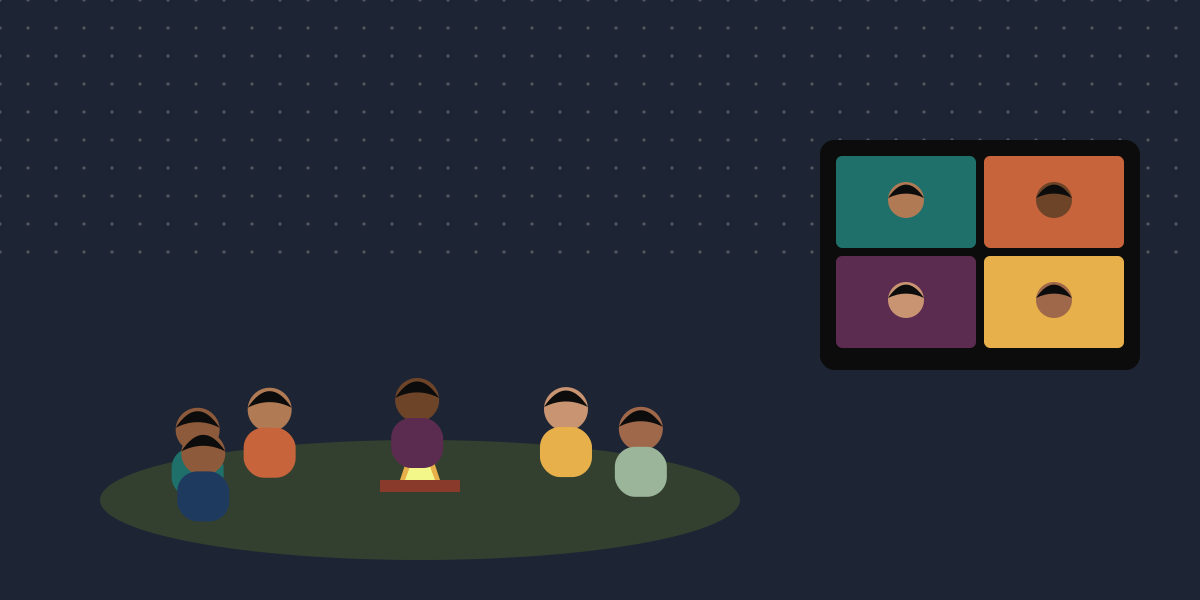
Think about the last time you attended a workshop or an event that actually changed your perspective. It wasn't just the slides or the coffee. It was the energy in the room. It was that one conversation during a break with someone who faced the same struggle as you. Good events are not just "activities" - they are designed experiences that satisfy a deep human need for connection.
But what makes a gathering successful? Is it the guest list? The venue? Or something deeper? As we move away from the "zoom-fatigue" era, we are rediscovering that Shared Experiences are the glue that holds innovation together. When we learn together, we grow together.
Breaking the "Isolation Trap"
Working from home has its perks, but it also has a silent cost: the loss of spontaneous collaboration. You can't replicate a "hallway conversation" on a scheduled video call. Events provide a dedicated space to break out of our digital silos.
In our community workshops, we see people from completely different backgrounds-like a UI designer and a dairy farmer-solving a logistics problem together. This "Cross-Pollination" only happens when people are brought together with a common purpose. It's about creating a safe space where ideas can be messy before they become brilliant.
Inclusive by Design
A gathering is only as good as its accessibility. If your event excludes people because of physical, sensory, or cognitive barriers, it isn't a community event-it's a club. That is why Inclusive Event Design matters.
This means thinking about quiet zones for neurodivergent attendees, sign-language interpreters for the deaf, and ramp access for those with motor disabilities. True impact happens when the "entire" community is in the room. When you design for the margins, you make the experience better for everyone. A quiet room for one person is a focus room for another.
The Psychology of "Co-Creation"
The most boring events are the ones where you just sit and listen. The most impactful ones are where you Co-Create. Whether it's a hackathon, an open-mic session, or a collaborative strategy workshop, the act of doing something together builds trust faster than any ice-breaker game ever could.
Why? Because when we work on a project with others, we share the wins and the frustrations. These "Micro-Moments" of shared struggle create a bond that lasts long after the event is over. You don't just leave with a business card; you leave with a partner in crime.
Virtual vs. Physical: The Hybrid Future
We aren't going back to a 100% physical world, and that's a good thing. Virtual events allow someone in a small village to learn from a mentor in a big city. But the key is to make virtual events feel Human.
- Avoid Passive Listening: Use breakout rooms and live polls.
- Small Groups: Humans aren't built to "connect" in a room of 500. Keep interaction groups small.
- Post-Event Momentum: The event shouldn't end when the call does. Give people a way to keep the conversation going in a niche community.
Why Communities Need "Rhythms"
One event is a spark. A series of events is a rhythm. Successful communities don't just host one-off shows. They create a heartbeat of consistent gatherings. This consistency builds Social Capital. It tells the members, "We are here for the long term."
When people know there is a workshop every month or a talk every week, they stop "networking" and start "belonging." And belonging is where the real innovation starts. People take bigger risks when they know they have a community to catch them if they fall.
What Actually Happens in Our Brains
There's a reason a good gathering feels different from a good video. When we share an experience with other people, we pay closer attention. We read faces, notice reactions and adjust our own behaviour without thinking about it. Researchers who study group behaviour often describe a kind of emotional synchrony: laughter spreads, energy rises together, and people feel part of something larger than themselves.
That shared feeling isn't just pleasant. It makes us more open. People who feel safe in a group are more willing to share half-formed ideas, admit what they don't know and ask for help. That's exactly the state of mind that leads to learning and creativity. It's also why the coffee break at an event is so often the most useful twenty minutes of the day.
The Small Details That Change Everything
If you host gatherings, even small ones, a few design choices have an outsized effect on how people feel.
- The first five minutes. A personal welcome and a simple, low-pressure introduction set the tone for everything that follows. People who feel awkward at the start often stay quiet all session.
- Seating. Rows of chairs facing a stage tell people to listen. Circles and small tables tell them to talk. Choose deliberately.
- Group size. Real conversation tends to happen in groups of four to eight. Even at a large event, breaking into small groups for part of the time makes a huge difference.
- Food. Eating together has built trust for thousands of years. Even simple tea and snacks give people a reason to linger and talk.
- A clear ending. Close with a moment of reflection: what did you learn, what will you do next? It turns a pleasant afternoon into something people act on.
Gatherings for Learning
Schools and colleges have always known that learning is social. Study groups, lab partners, debate clubs and field trips work because people learn faster when they explain ideas to each other. Gatherings outside the classroom, such as workshops, mentoring sessions and student-led meet-ups, extend that effect. A student who hears a working professional describe their first job learns something about careers that no textbook can capture. You can read more about this in our piece on micro-mentorship.
Measuring Whether a Gathering Worked
It's tempting to judge events by attendance. A full room feels like success. But numbers alone don't tell you whether anything changed. Better questions are: Did people meet someone new they intend to stay in touch with? Did they leave with an idea they plan to try? Did they come back to the next one?
A short feedback form, a quick round of one-sentence takeaways or a follow-up message a week later can answer these questions. Over time, those answers show you which formats build real community and which simply fill seats. A small gathering that changes how ten people work is a bigger success than a packed hall that changes nothing.
Conclusion: Turn Ideas into Action
At the end of the day, the purpose of any gathering is to turn bold ideas into real action. If you leave an event feeling inspired but don't know what to do next, the event failed.
So, our challenge to you is this: Don't just attend events. Contribute to them. Ask the hard questions. Help the person sitting next to you. Because the future isn't built by individuals in isolation; it's built by people who have the courage to show up and build together. Let’s keep the conversation going.
Sources
Facts, figures and quoted rules in this article come from the sources below. The wording of the article is our own.
- The Elementary Forms of Religious Life-Émile Durkheim, 1912. Classic account of "collective effervescence", the shared emotion felt in gatherings.