Stop Networking, Start Connecting: The Community Revolution of 2026
LinkedIn is full of noise, and Twitter is full of fights. So, where do the real builders go? In 2026, the answer is niche, impact-driven communities. Let's talk about why the "followers" count doesn't matter anymore.
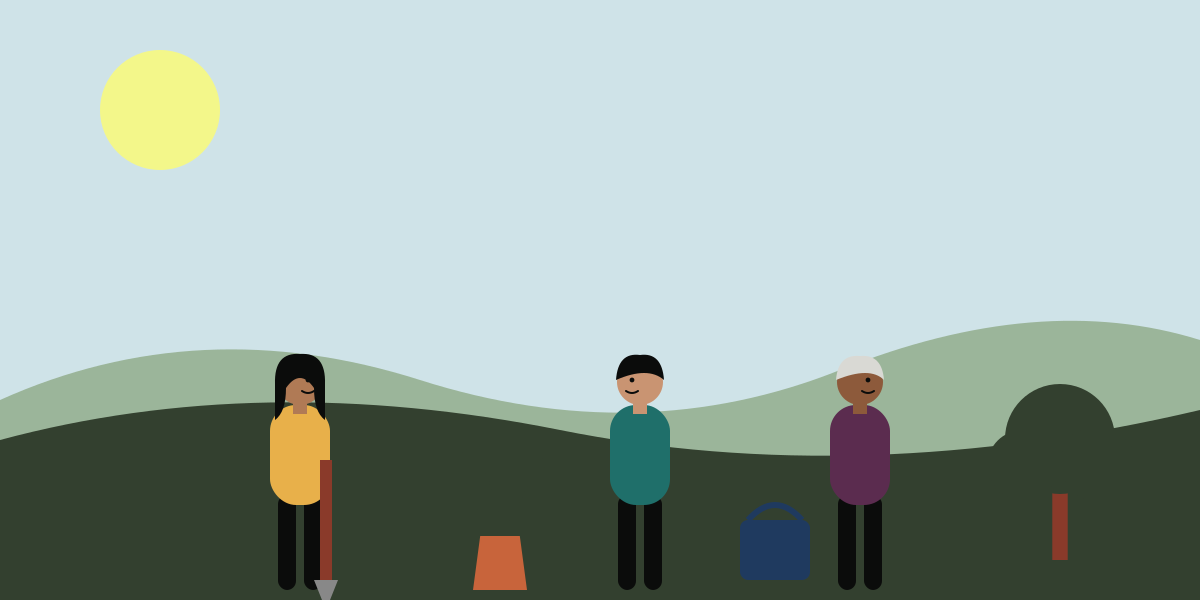
If you're anything like me, you're probably tired of the word "networking." It sounds so corporate, so transactional. It feels like shaking hands with 100 people just to get one business card. But as we move deeper into 2026, that whole model is dying. We are seeing the rise of Impact-Driven Communities-small, tight-knit groups where the goal isn't to "gain followers," but to actually build something together.
Why is this happening now? Because we’re lonelier than ever despite being "connected" 24/7. Many people have hundreds of online connections but nobody to talk to when a project fails. Often people don't want more platforms; they want more meaning. They want to be in a room (virtual or physical) where their voice actually carries weight.
The Death of the "Generic" Feed
Social media algorithms have become so focused on "viral" content that they've forgotten about "valuable" content. If you're a UI designer or a developer, you don't need to see what 2 million people think about a new movie. You need to know what 20 experts think about a specific CSS framework.
This is the shift toward Micro-Communities. In 2026, the real value is hidden in private Discord servers, Slack channels and small niche groups. These are spaces where you can ask a "stupid" question and get a brilliant answer instead of a troll comment.
What Makes a Community "Impact-Driven"?
It’s not just a group chat. An impact-driven community has three things that a generic group doesn't:
- Shared Mission: Everyone is there to solve a specific problem or learn a specific skill.
- Accountability: People actually know your name. If you say you’re going to launch an app by mid-February, they’ll check in on you.
- Reciprocity: It’s not just about taking value; it’s about giving it back.
The Rise of the "Builder" Mentality
In 2026, we’ve moved past the "influencer" era. Nobody cares about your aesthetic photos anymore; they care about what you've built. Communities are becoming incubators for real-world projects. Small community workshops can be a practical place to test an idea with people who will give honest feedback.
When you're surrounded by "Builders," your energy shifts. You stop consuming and start creating. That’s the "Impact" part of the equation. It’s about leaving something behind that wasn't there before.
How to Find Your Tribe
Don't just join every group you find. That’s just another form of scrolling. Instead, look for spaces that challenge you. If you’re the smartest person in the room, you’re in the wrong room.
Look for communities that value Depth over Breadth. A group with 50 active, engaged members can be far more useful than a group with 50,000 silent lurkers. In 2026, your "net worth" is literally your "network" - but only if that network actually knows who you are.
Bring Different Fields Together
Some of the most useful conversations happen when people from different fields meet. An AI researcher and a school teacher, for example, can each see problems the other misses. When you join or build a community, look for chances to invite people from outside your own industry. That kind of Cross-Pollination often produces practical ideas that a single-industry group would not reach.
The Difference Between an Audience and a Community
Here's a simple test. If the person running a group disappeared tomorrow, would the members keep talking to each other? If the answer is no, you were part of an audience. Audiences gather around one person or one brand. Communities gather around each other.
That distinction matters because audiences are fragile. They depend on one voice staying interesting. Communities are sturdier. The value comes from the members themselves: the advice they trade, the projects they build together, the small favours they do for each other without keeping score. When you're choosing where to spend your time, look for the second kind.
You can usually spot a real community within a week. People reply to each other's questions, not just to the moderator. Newcomers get a proper welcome. Conversations continue after the scheduled session ends. And, quietly, people start collaborating on things nobody planned.
What You Actually Get Out of It
Let's be practical for a moment. Why should a busy student or professional give their evenings to a community at all?
- Faster learning. When you're stuck, someone who solved the same problem last month can save you days. Reading a tutorial teaches you the theory; asking a peer teaches you the shortcut.
- Honest feedback. Friends and family are kind. A good community is kind and honest. That's the feedback that actually improves your work.
- Opportunities you'd never see. Freelance projects, internships, co-founders and speaking slots often get shared inside small groups long before they appear anywhere public.
- Motivation that lasts. It's much harder to quietly give up on a goal when twenty people know about it and are cheering you on.
- A sense of belonging. This one is harder to measure, but it might matter most. Knowing that other people care whether your project succeeds changes how you work.
How to Be a Member People Value
Joining is the easy part. Becoming someone the community is glad to have takes a little intention. Start by listening for a couple of weeks. Learn the tone, the unwritten rules and the kinds of questions people ask. Then begin giving before you ask. Answer a beginner's question. Share a resource that helped you. Write a short note about something you learned the hard way.
When you do ask for help, make it easy to say yes. Explain what you've already tried, what you're stuck on and what a good answer would look like. And when someone helps you, close the loop. Come back and tell them what happened. It sounds small, but it's the habit that turns strangers into long-term collaborators.
Finally, show up consistently. You don't need to be everywhere. One community where you're active every week is worth far more than ten where you're a silent name on a member list.
Starting Your Own Small Community
Sometimes the community you need doesn't exist yet. That's fine. Most great communities started with four or five people around a kitchen table or a video call. Pick a narrow focus, invite a handful of people who care about it, and agree on a simple rhythm: one meeting a month, one shared project, one rule about respect. Keep it small enough that everyone knows each other's names. You can always grow later. It's much harder to make a big, cold group feel warm. If you need ideas for the format, our guide to hosting a roundtable is a good starting point.
Final Word: Get Off the Sidelines
The era of being a passive observer is over. If you want to grow in 2026, you have to get involved. Find a community that aligns with your values, contribute your skills, and stop worrying about the algorithm. The most important connections you’ll make this year won't happen on a "feed" - they'll happen in a conversation.
So, what are you building? And who are you building it with?
Sources
This is an original article written by the Breitordo Editorial Team from general knowledge and practical experience. It does not quote, copy or reproduce material from other publications.