Is Your Workplace Actually Inclusive? The Neurodiversity Shift in 2026
We've spent years talking about diversity, but we've mostly ignored how people actually *think*. In 2026, the real competitive edge isn't just who you hire, but how many types of brains you have on your team.
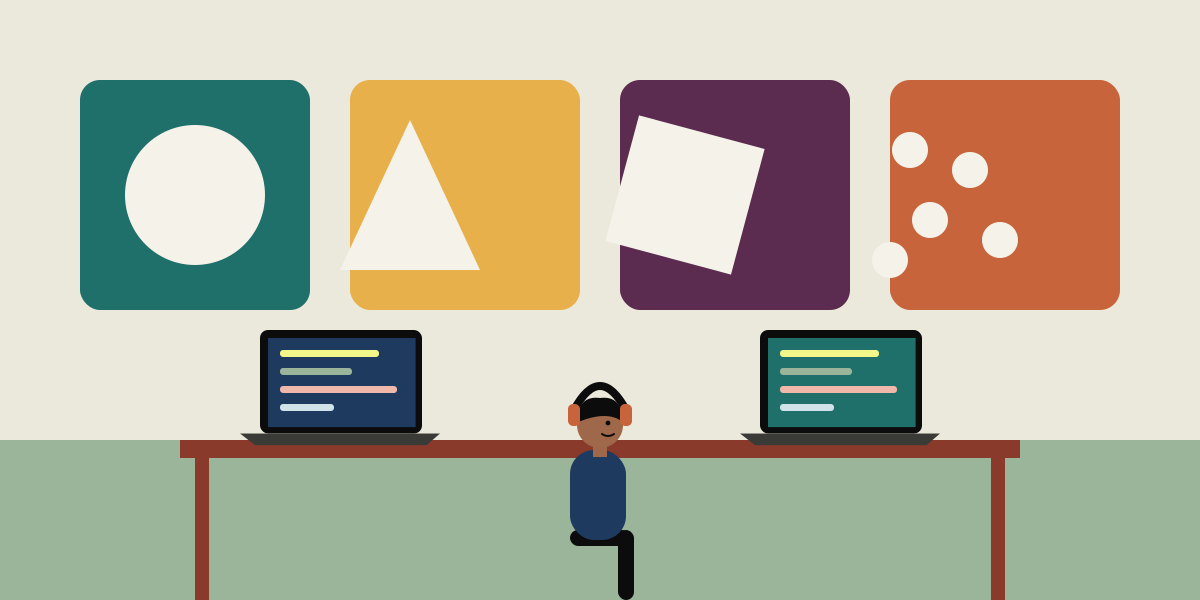
Let’s cut to the chase: the traditional 9-to-5, open-plan office was designed for a very specific type of person. A person who can sit still for eight hours, ignore the hum of the air conditioner, and thrive on constant small talk. But for the estimated 10 to 20 percent of people worldwide who are neurodivergent, including people with ADHD, autism, dyslexia or dyspraxia, that "normal" environment is basically an obstacle course for the brain.
More employers are now paying attention to neurodiversity. Done well, it is not only about being fair: teams that include people who think differently can be better at spotting problems and finding new solutions.
Stop Hiring for "Culture Fit"
I hate the term "culture fit." Most of the time, it’s just a polite way of saying "this person is just like us." If everyone on your team thinks the same way, you don't have a team; you have an echo chamber.
A more useful idea is "culture add": asking what a person brings that the team does not already have. Some candidates with "spiky" profiles struggle in traditional interviews but bring deep focus and fresh thinking to complex work. If your hiring process relies only on unstructured video calls, you may be filtering out strong candidates.
The Office is a Sensory Experience
Have you ever noticed how some people can work in a loud coffee shop while others need a library? That’s Sensory Processing at work. In 2026, the "cool office" isn't about beanbags and ping-pong tables anymore. It’s about "sensory-controlled zones."
We’re talking about dimmable lighting for people with light sensitivity, acoustic pods for those who need silence, and fidget-friendly spaces for the ADHD crowd. It sounds small, but when you give a person the right environment, their "disability" often disappears, and their "talent" takes over. It’s about removing the friction.
The ADHD "Superpower" vs. The Corporate Grind
You may have heard ADHD described as a "superpower". Many people with ADHD find that label unhelpful: ADHD brings real challenges, such as long meetings that could have been an email, as well as strengths that some people describe, such as energy, creativity and the ability to respond quickly. The point is not to romanticise it, but to design work so that people can use their strengths.
Some workplaces are adapting by reducing micro-management and allowing more asynchronous work, where what matters is the outcome rather than the exact hours someone is online. Where the role allows it, this flexibility can help people who focus best at different times of day.
How to Build a Neuro-Inclusive Team
If you're a leader or a founder, you don't need a massive budget to start being inclusive. You just need to stop being rigid. Here are a few things that actually work:
- Give instructions in writing: Don't just shout tasks over a desk. Written docs help people with processing issues or memory slips.
- Normalize "Cameras Off": Sometimes, the effort of "looking" engaged on a video call uses up energy that could go into actually being engaged.
- Flexible Deadlines: Focus on outcomes, not hours logged.
The Future is Cognitively Diverse
The companies that will dominate the next decade are the ones that realize humans aren't robots. We are messy, varied, and we think in a thousand different directions. Neurodiversity isn't a niche HR topic; it's the foundation of innovation.
Inclusive Hiring, Step by Step
Many talented neurodivergent people never get past the first interview, not because they lack skills, but because the hiring process tests the wrong things. A few practical changes open the door wider.
- Write clear job descriptions. List the skills the role genuinely needs. Remove vague requirements such as "excellent communicator" or "thrives in a fast-paced environment" unless they truly apply.
- Share interview questions in advance. It reduces anxiety and lets candidates show what they actually know, rather than how quickly they can think on the spot.
- Offer alternatives. A practical task, a work sample or a written response can reveal ability far better than a conversation for some candidates.
- Ask about adjustments. Simply asking every candidate, "Is there anything that would help you do your best in this process?" signals respect and costs nothing.
- Train interviewers. Eye contact, small talk and body language are not reliable measures of competence. Interviewers should know that.
Everyday Adjustments That Help Everyone
Most workplace adjustments are simple and inexpensive, and many of them help the entire team, not just neurodivergent colleagues.
- Written agendas sent before meetings, and short written summaries afterwards.
- Clear, direct instructions with deadlines, instead of hints and assumptions.
- Noise-cancelling headphones, quieter desks or the option to work from home on focused days.
- Flexible hours where the role allows it.
- Choice of communication channel, such as chat or email instead of unscheduled phone calls.
- Regular, predictable check-ins with a manager.
When these become normal practice rather than special requests, people don't have to explain or justify their needs every time. That alone removes a huge amount of stress.
What Managers Can Do
Good management matters more than any policy. Get to know how each person on your team works best. Ask, listen and adjust. Give feedback that is specific and kind, and focus on outcomes rather than on whether someone works in the same way you do. If a team member shares a diagnosis or a need, treat it with confidentiality and respect, and focus the conversation on practical support.
Above all, build a team culture where differences are expected. When people see that it's normal to work in different ways, they are more likely to speak up early when something isn't working.
Remember too that neurodivergent people are not a single group. What helps one autistic colleague may not help another, and someone with dyslexia may need something completely different from someone with ADHD. Ask the individual rather than relying on assumptions.
Neurodiversity in Schools and Colleges
The same ideas apply in classrooms. Students learn in different ways and at different speeds. Clear instructions, flexible ways of showing understanding, quiet spaces, and teachers who know how to recognise and support different learning needs can transform a student's experience. Many of the strategies that help neurodivergent students, such as visual timetables, step-by-step instructions and regular breaks, help the whole class learn better. You can read more in our piece on how technology can support learners of different abilities.
This article is general information for employers, managers and colleagues. It is not medical, legal or HR advice; employment rights and duties differ between countries.
Conclusion
So, is your workplace actually inclusive? Or are you just asking everyone to act like they're the same? 2026 is the year to stop making people "mask" their true selves and start letting them do what they do best. After all, the best ideas don't come from a box - they come from the minds that don't even know the box exists.
Sources
Facts, figures and quoted rules in this article come from the sources below. The wording of the article is our own.
- Career paths and critical success factors for the neurodivergent workforce, Deloitte Insights, Deloitte Center for Integrated Research, 2022. Source of the estimate that roughly 10-20% of the global population is neurodivergent.
- Adjustments for neurodiversity - Reasonable adjustments at work, Acas (UK Advisory, Conciliation and Arbitration Service). Examples of practical workplace adjustments, such as noise-reducing headphones, quiet spaces and regular breaks.