The Library at the End of the Bus Route
Some journeys begin with a plan. Meera's began with a flat tyre, a long wait and a door that happened to be open.
This is a short story written by Breitordo. The characters, places and events in it are fictional, though the experiences it describes are familiar to many people.
A flat tyre on a Tuesday
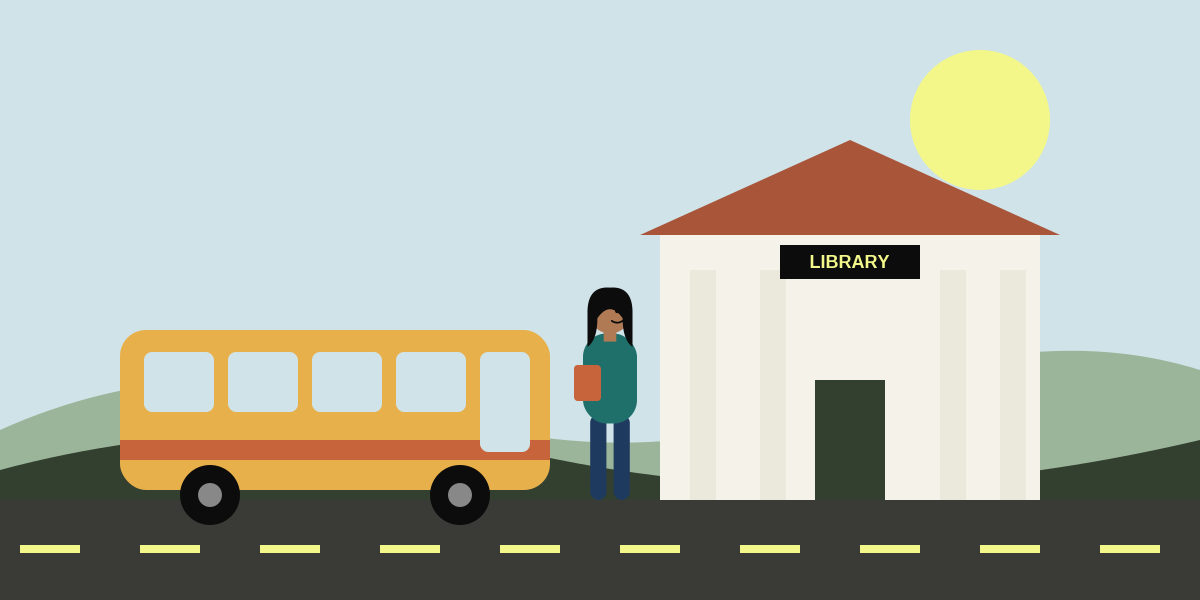
The 4:15 bus from Kheri to the district town was never on time, but on that Tuesday in July it did not arrive at all. Halfway along the route, just past the post office, the front tyre gave up with a sound like a sigh, and the driver told everyone to get down and wait for the next one.
Meera was fifteen, carrying a cloth bag of mathematics notebooks and a packet of her mother's paneer to deliver to her aunt. The next bus would be at least an hour. It had started to drizzle. The only building nearby with a roof wide enough to stand under was a pale, two-storey building with a faded sign that said District Public Library.
She had passed it a hundred times on the bus. She had never been inside. Libraries, in her mind, were places for college students and retired government officers who read newspapers with their glasses on the tip of their noses. But the rain was getting heavier, and the door was open.
The room with three computers
Inside, the library smelled of paper and ceiling fans. A woman in a green cotton sari sat behind a wooden counter, stamping return dates into books. She looked up, looked at Meera's wet dupatta and said, without any fuss, "Sit anywhere. The rain will stop."
Meera wandered between the shelves. She found an atlas so large she could not lift it, a row of Hindi novels with cracked spines, and then, in a corner room with a hand-written sign that said Digital Corner, three computers on a long table. Two of them were switched off. On the third, a boy of about her age was typing quickly, and coloured words were appearing on a black screen.
"What is he doing?" she asked the librarian later, in a whisper.
"Writing a program," the librarian said, as if it were the most ordinary thing in the world. "There is a free course on the computer. Anyone with a library card can use it. One hour a day."
"How much is a library card?"
"Twenty rupees. For a year."
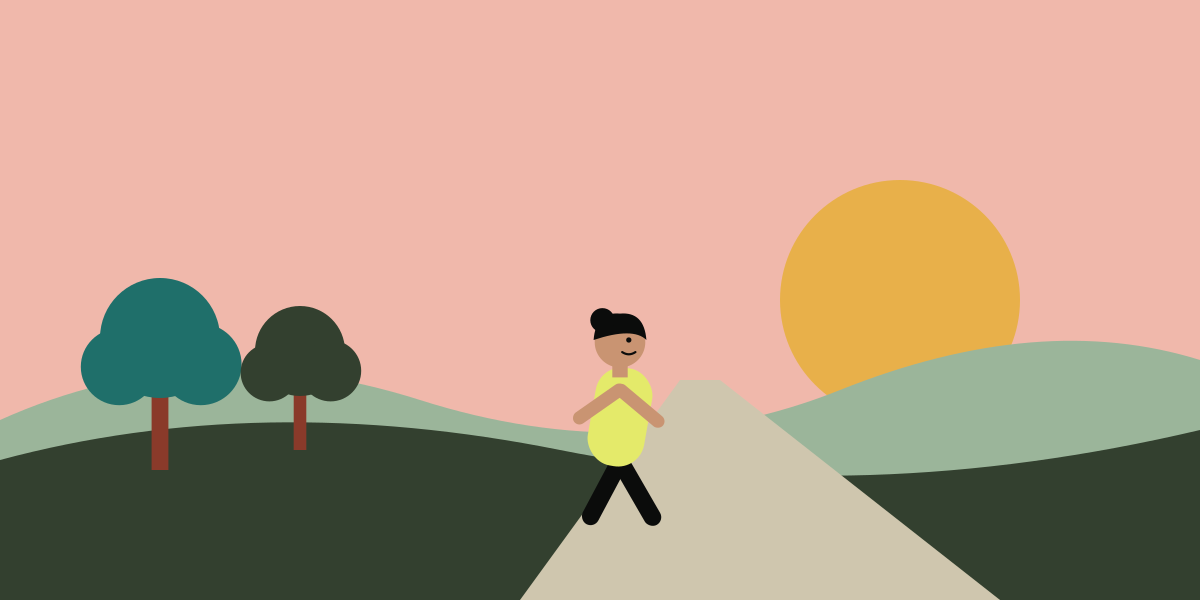
Meera had twenty-five rupees in her bag, meant for the bus fare back. She thought about it for exactly as long as it took the next bus to honk outside. Then she walked home the last four kilometres in the evening light, with a small paper card in her pocket that had her name written on it in blue ink.
One hour a day
For the first two weeks, Meera did not understand anything. The course talked about variables, loops and conditions. The words were English, and the ideas behind them felt like a language from another planet. She copied the examples exactly, letter for letter, and when they did not work she had no idea why.
The boy from the first day, whose name turned out to be Imran, noticed her staring at an error message one afternoon. He leaned over and pointed at the screen. "You forgot the colon," he said. "The computer is very strict. It is like your maths teacher. It does not care what you meant. Only what you wrote."
That sentence did something. Meera had always been good at mathematics because she was careful. She checked signs, she wrote every step, she never skipped a bracket. If programming was just a very strict kind of carefulness, she could do that.
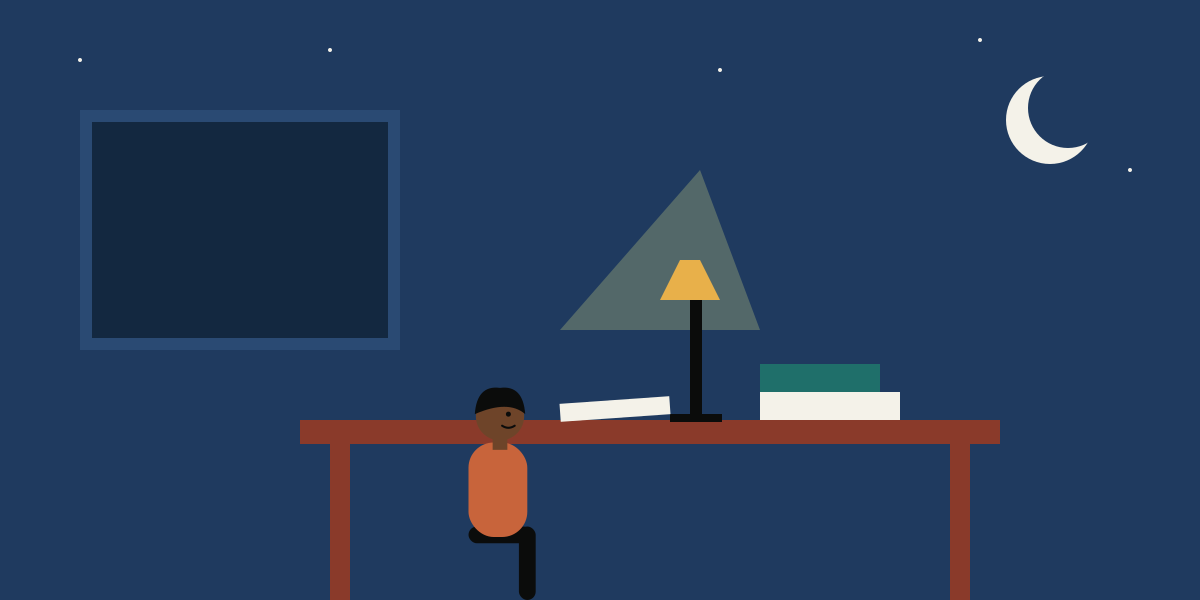
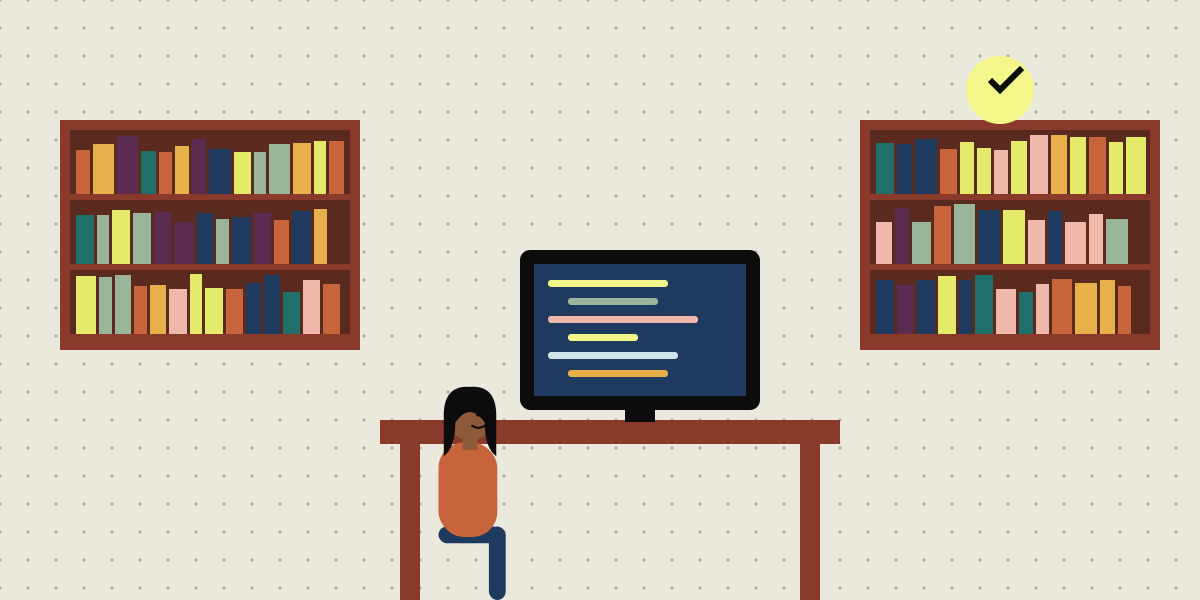
She started keeping a notebook just for the computer. On the left page she wrote the code; on the right page she wrote, in her own words, what each line was supposed to do. When something broke, she read both pages slowly, like a detective. Slowly, the error messages stopped feeling like insults and started feeling like clues.
The milk register
Meera's family kept six buffaloes. Every morning and evening, her father measured the milk, poured it into steel cans and sold it to about thirty households and two tea shops in the village. Every evening, he sat with a long, cloth-bound register and tried to work out who had paid, who owed what, and how much the cattle feed had cost that week.
The register was a mess. Some pages were wet. Some numbers were crossed out three times. Once a month there was an argument with somebody who insisted they had paid when the register said they had not, and her father, who hated arguments, usually just gave in.
Around the fourth month of her library visits, Meera had an idea that felt almost too big to say out loud. What if the register lived inside a program? A simple one, nothing fancy. Names, litres, dates, payments. At the end of each month, it would add everything up and print a neat little statement for each household.
She did not have a computer at home. But her father had an old smartphone, and the course had a module on building small apps that ran in a phone's browser. It took her eleven weeks, two broken versions and one whole Sunday spent finding a single misplaced comma. But in the end, it worked.
Monthly statements
The first time her father used it, he did not trust it. He kept the paper register alongside, entering everything twice. For three weeks, he checked the app against the book every night. The numbers matched every time.
At the end of the month, Meera used the library printer to print thirty small slips, one for each household, showing every day's milk and every payment. Her father delivered them with the morning milk, a little embarrassed, as if he were handing out wedding invitations.
The arguments stopped. Not because people became more honest, but because everyone could now see the same numbers. One of the tea-shop owners asked if Meera could make the same thing for his shop. Then her uncle, who supplied vegetables, asked too.
Her father, who had never said very much about her studies, started telling people at the tea shop that his daughter was "doing computer". He said it with a kind of careful pride, as though he was not entirely sure what it meant but was certain it was something good.
What the library gave her
Three years later, Meera is in the first year of a diploma in computer applications at a polytechnic in the district town. She still takes the 4:15 bus, which is still late. On Saturdays, she volunteers at the Digital Corner, helping younger students who are staring at their first error messages with the same confusion she once felt.
When they get frustrated, she tells them what Imran told her: the computer is strict, like a maths teacher. Then she adds something of her own. "It is strict," she says, "but it is fair. If you are careful, it will always tell you the truth."
Sometimes people ask her what made the difference. Was it talent? Luck? The flat tyre? She usually says it was the library card. Twenty rupees, one hour a day, and a door that someone had decided to leave open.
Why this story matters
Stories like Meera's are not rare, but they are often invisible. Across many small towns, public libraries, community centres and school computer labs quietly give young people their first real chance to learn digital skills. Very often, all that is needed is access, a little guidance and permission to make mistakes.
If you are a student who feels you are starting late, Meera's story is a reminder that a consistent hour a day can go a very long way. If you are a teacher, librarian or parent, it is a reminder that the spaces we keep open, and the small encouragements we offer, can matter more than we will ever know.
If you are curious about where to start, read our guide on how to choose the right course or certification, or explore courses on Breitordo.
Sources
This is an original short story written by Breitordo. It is fiction and does not use text from any other publication.
Frequently asked questions
Is this a true story?
No. It is a short fictional story written by Breitordo, inspired by experiences common to many students in small towns.